No mockups.
These are screenshots.
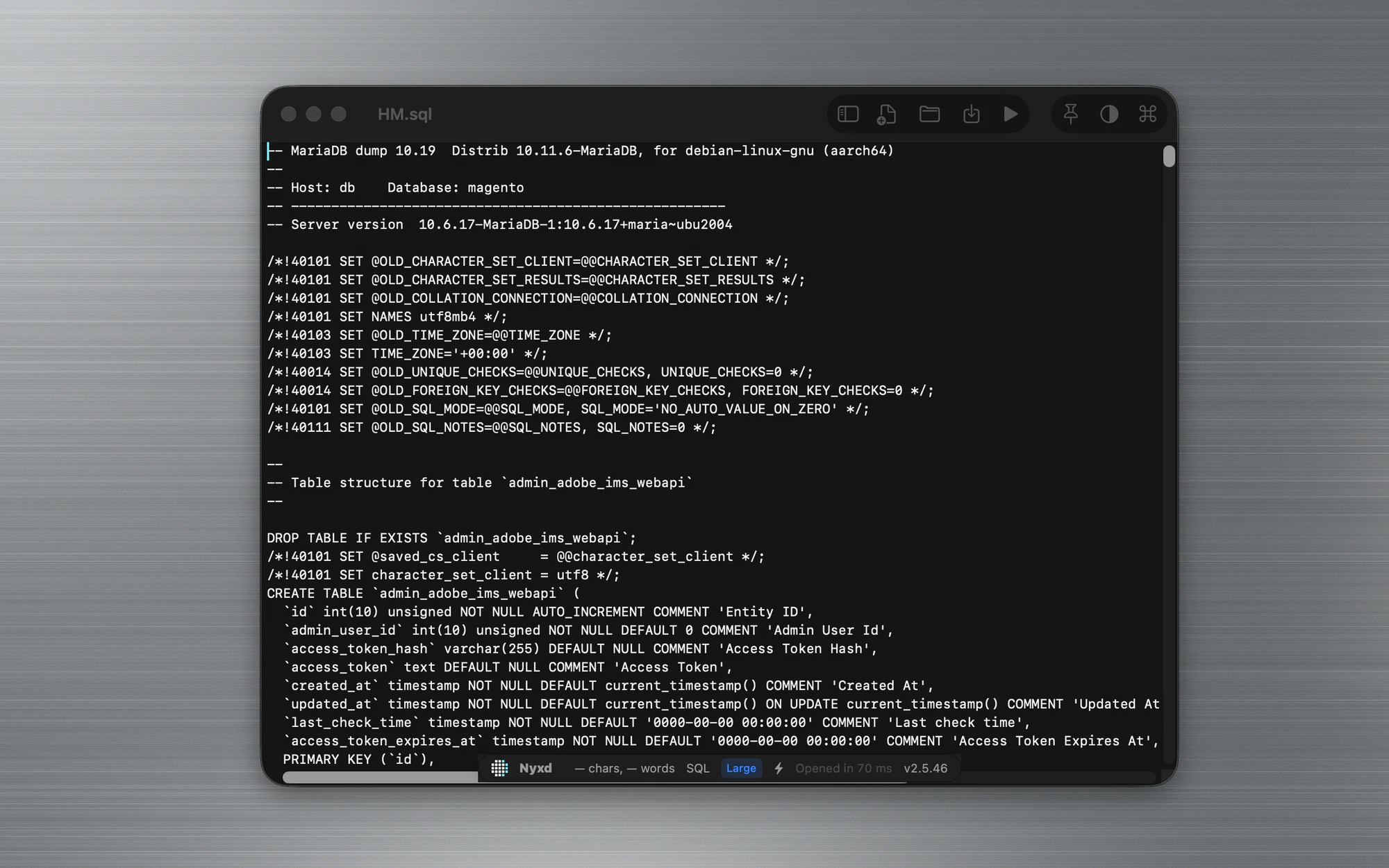
Every editor window elsewhere on this page is drawn in CSS. These four aren't. Read the status bar in each one.
Open before you let go of the mouse.
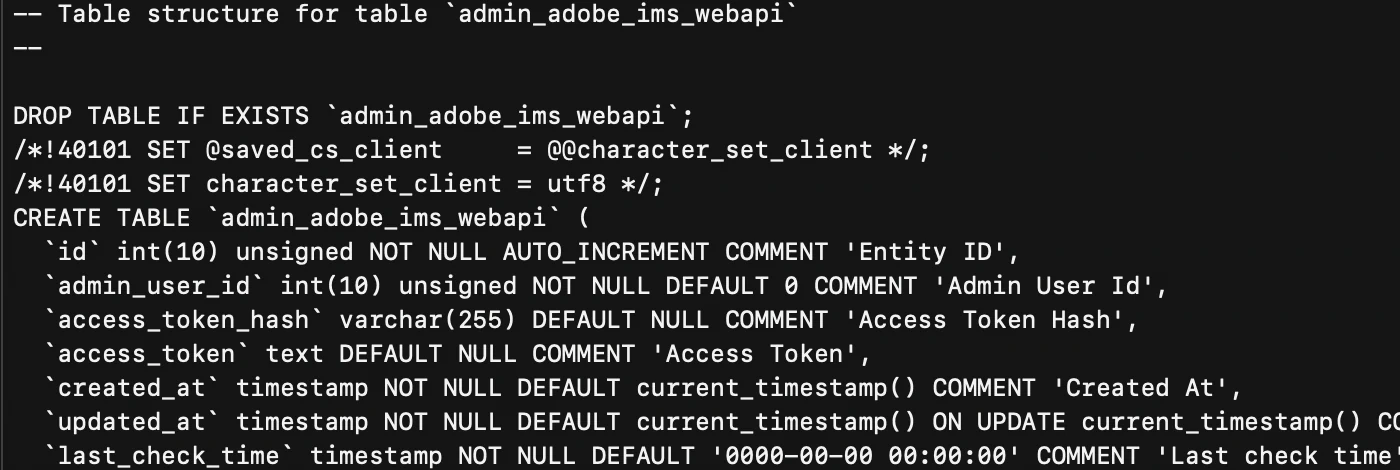
Not a summary, not the first megabyte — the whole file, scrollable end to end, highlighted, caret already in it. Nothing is loaded into RAM: the bytes stay memory-mapped and only the lines on screen are ever drawn. 70 ms is what the app reported for that open. Run through the benchmark harness instead, this exact file measures 167 ms to usable, median of five — a stricter clock on the same 6.98 GB.
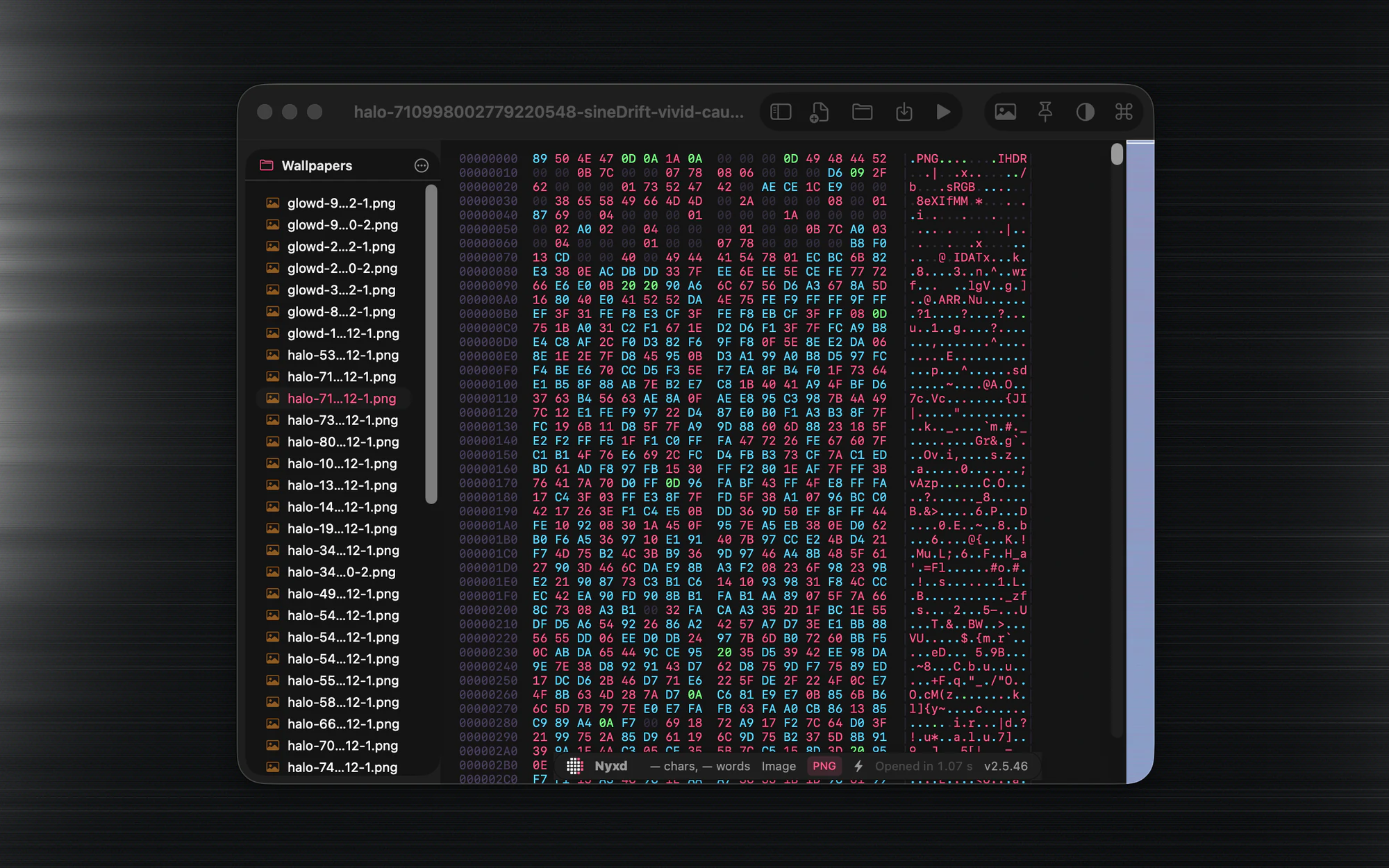
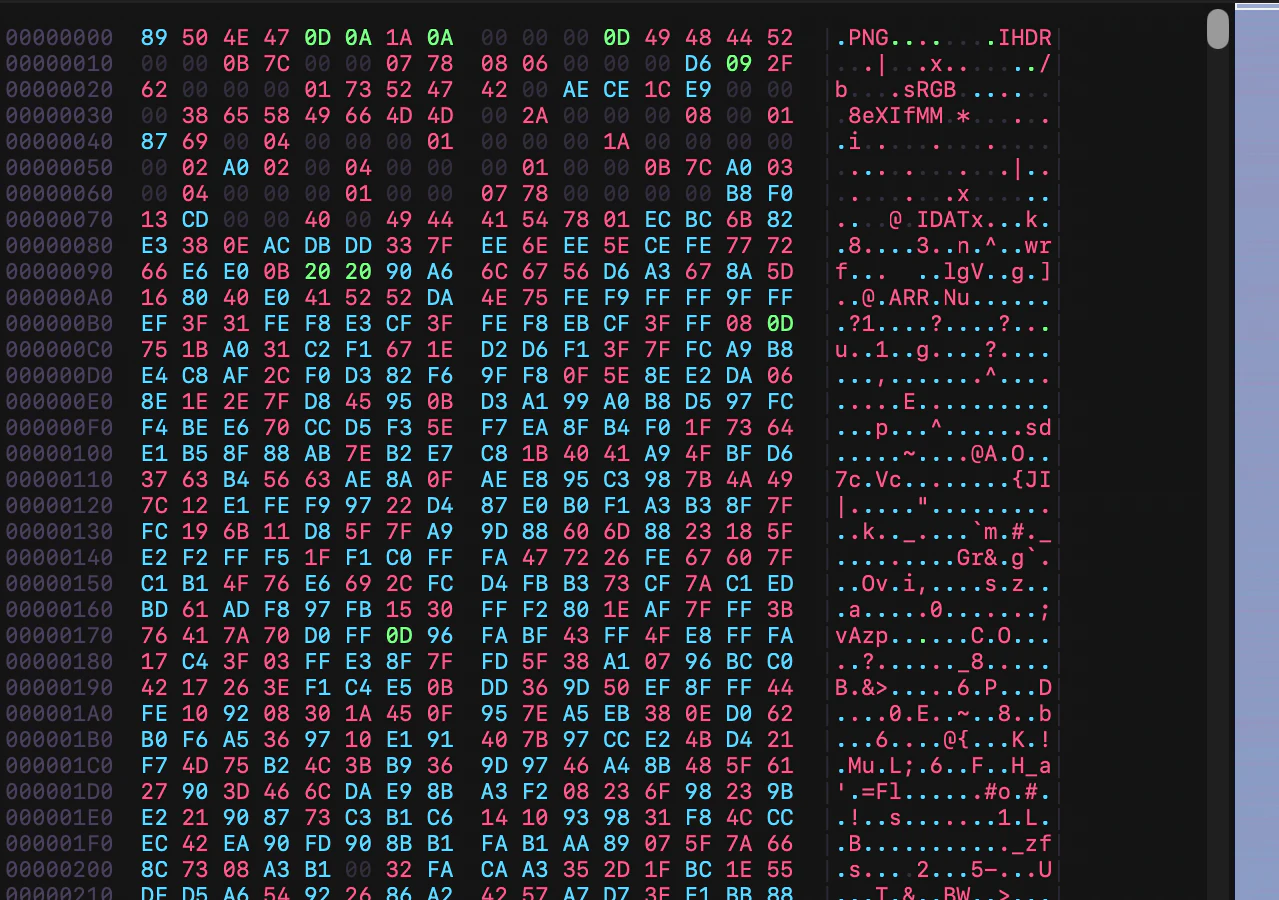
When there's no text in it, you get the bytes.
Offsets down the left, decoded ASCII down the right, and the file's magic bytes
sitting on line one: .PNG … IHDR. Nothing to install, nothing to
configure, and no "cannot open file" dialog.
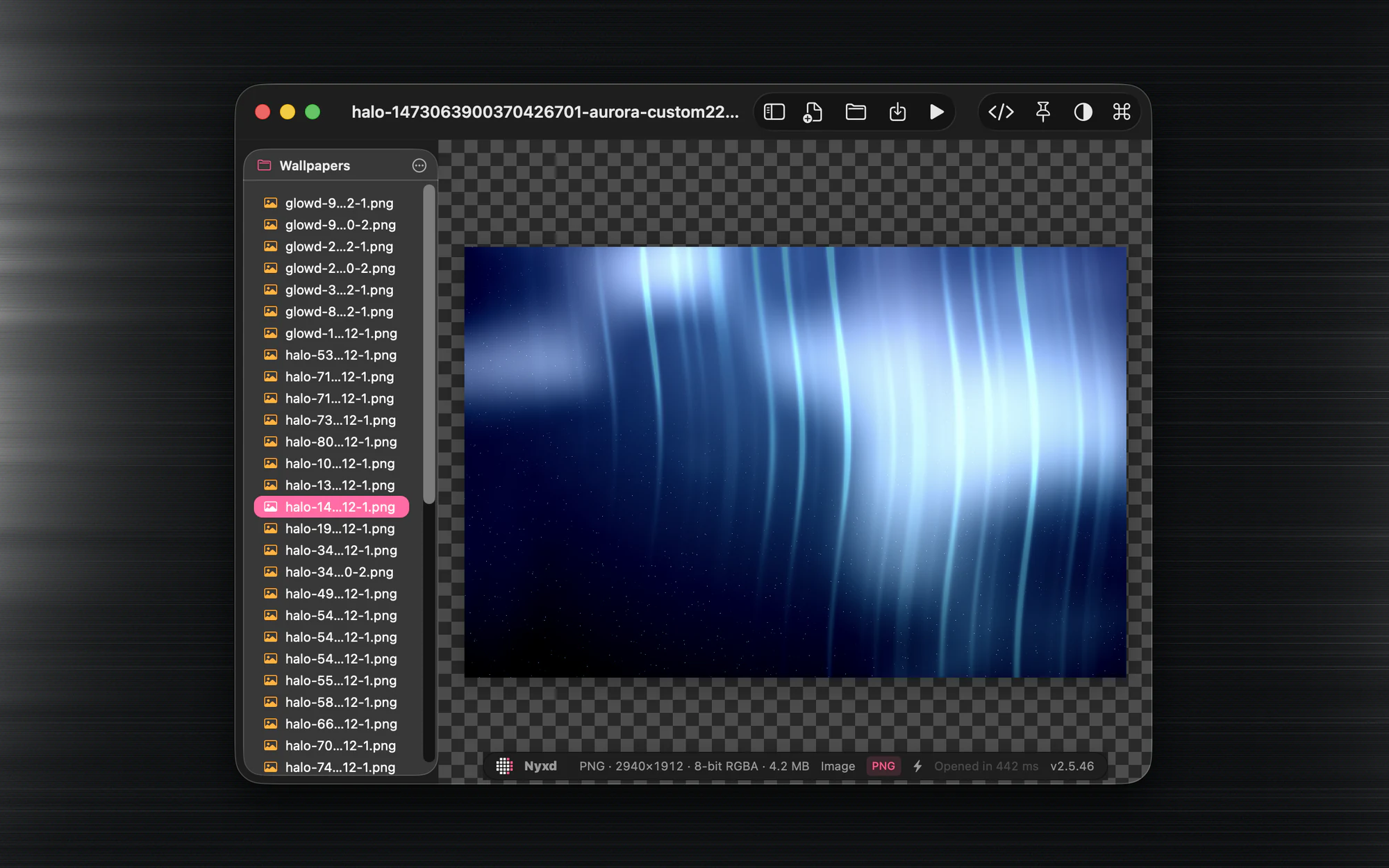
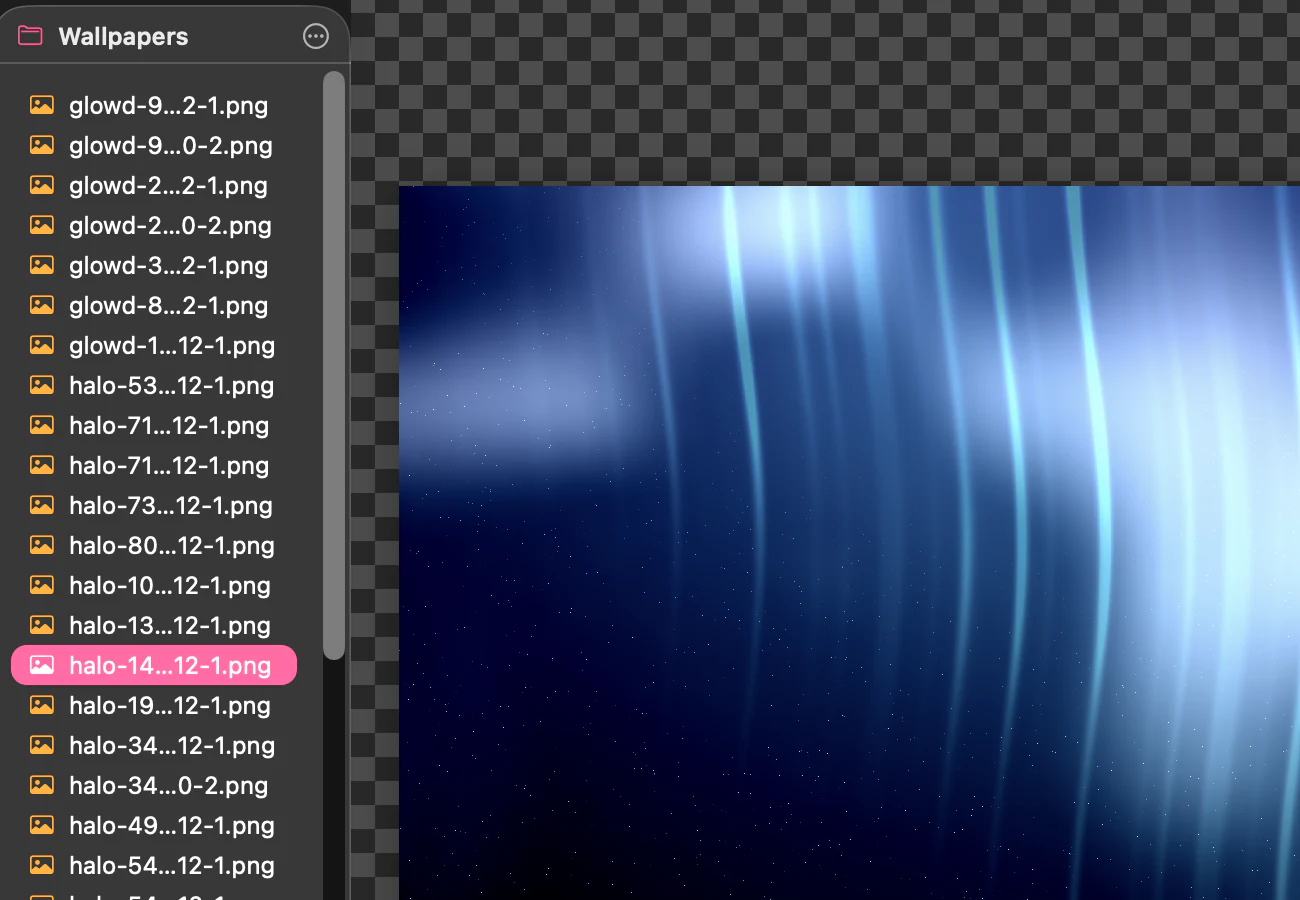
And one keystroke later, the picture.
Transparency drawn as a checkerboard instead of guessed at, and the details already
on screen — PNG · 2940×1912 · 8-bit RGBA · 4.2 MB — no Get Info, no
round trip. Open the folder and that sidebar becomes the quickest image browser on
your machine: arrow down the list, each one is simply there.
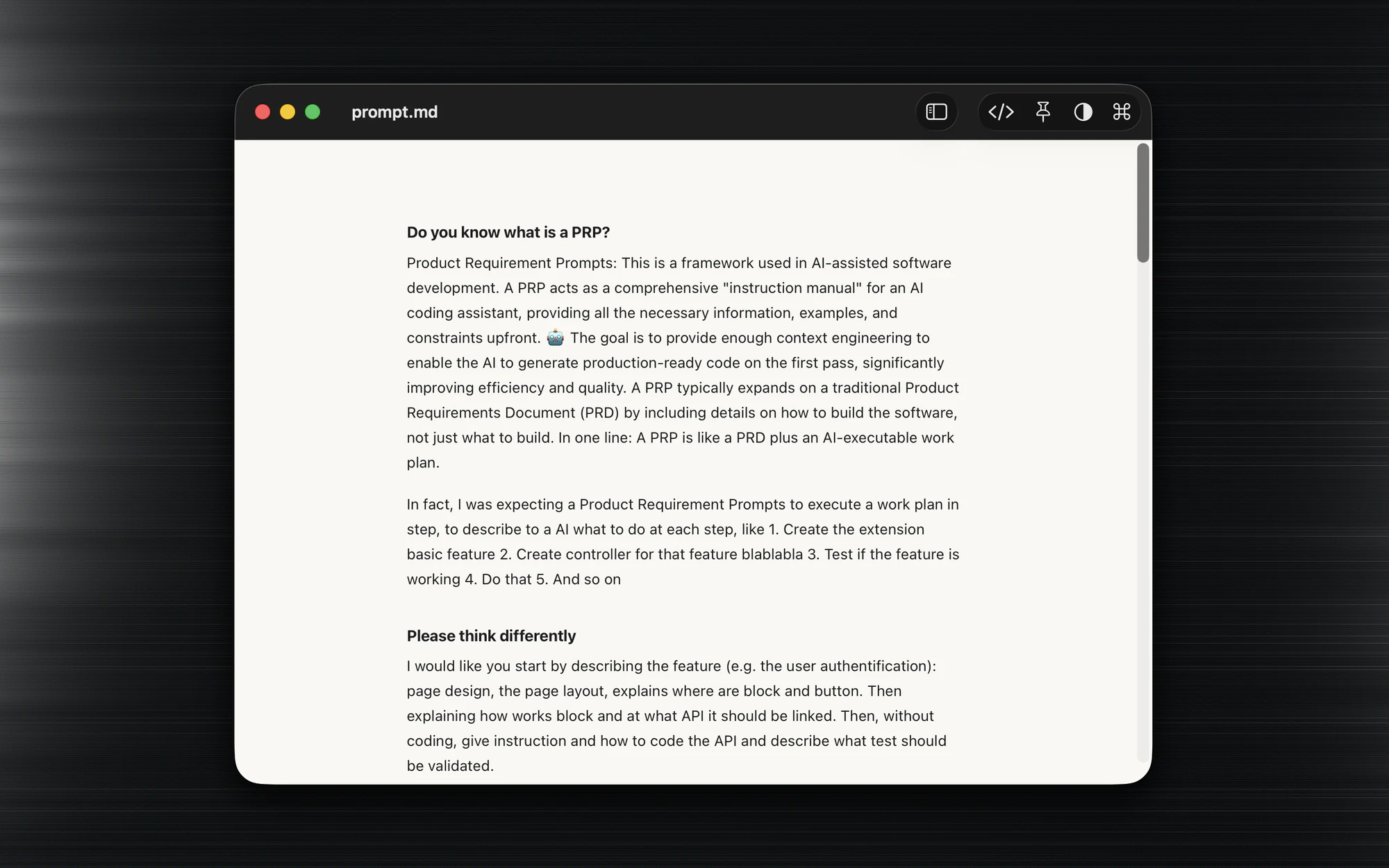
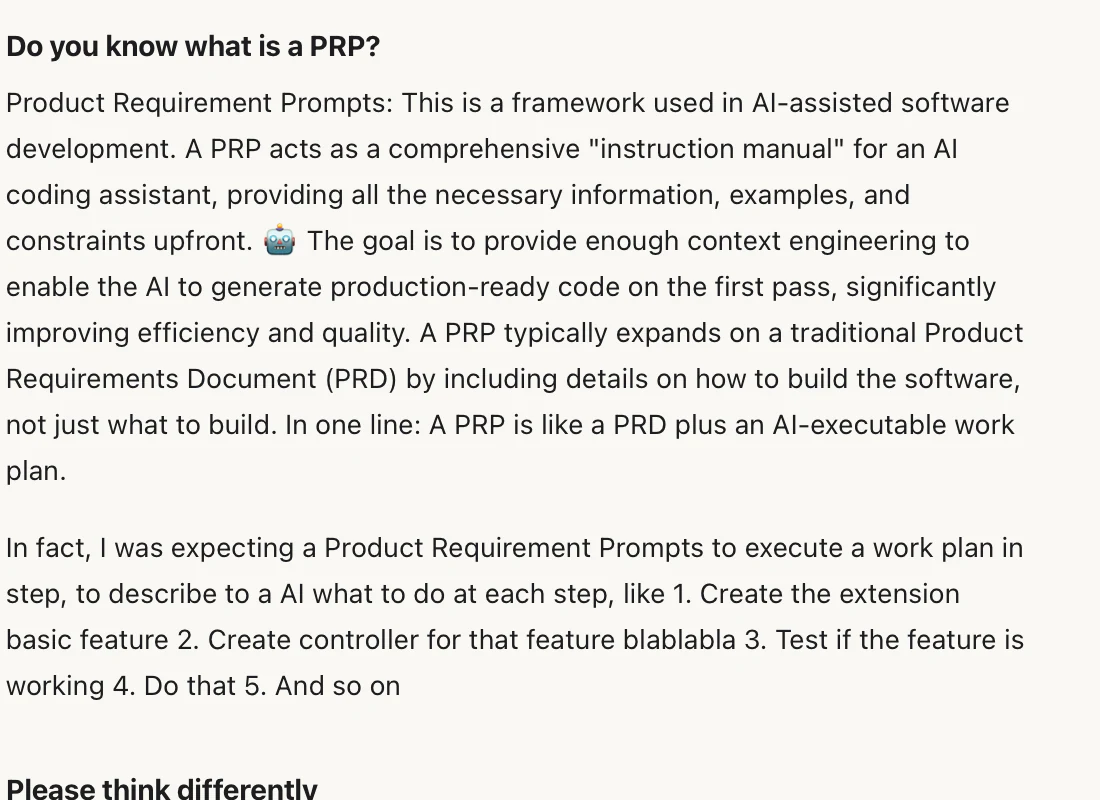
Markdown, set like a page.
Not source with the asterisks left in, and not a preview in a second window.
⌘ + and ⌘ − size it to your eyes and the typeface follows;
</> drops you back into the source instantly.
Every byte, addressed.
Offsets down the left, sixteen bytes to a row, decoded ASCII down the right — and the file's magic number sitting on line one.
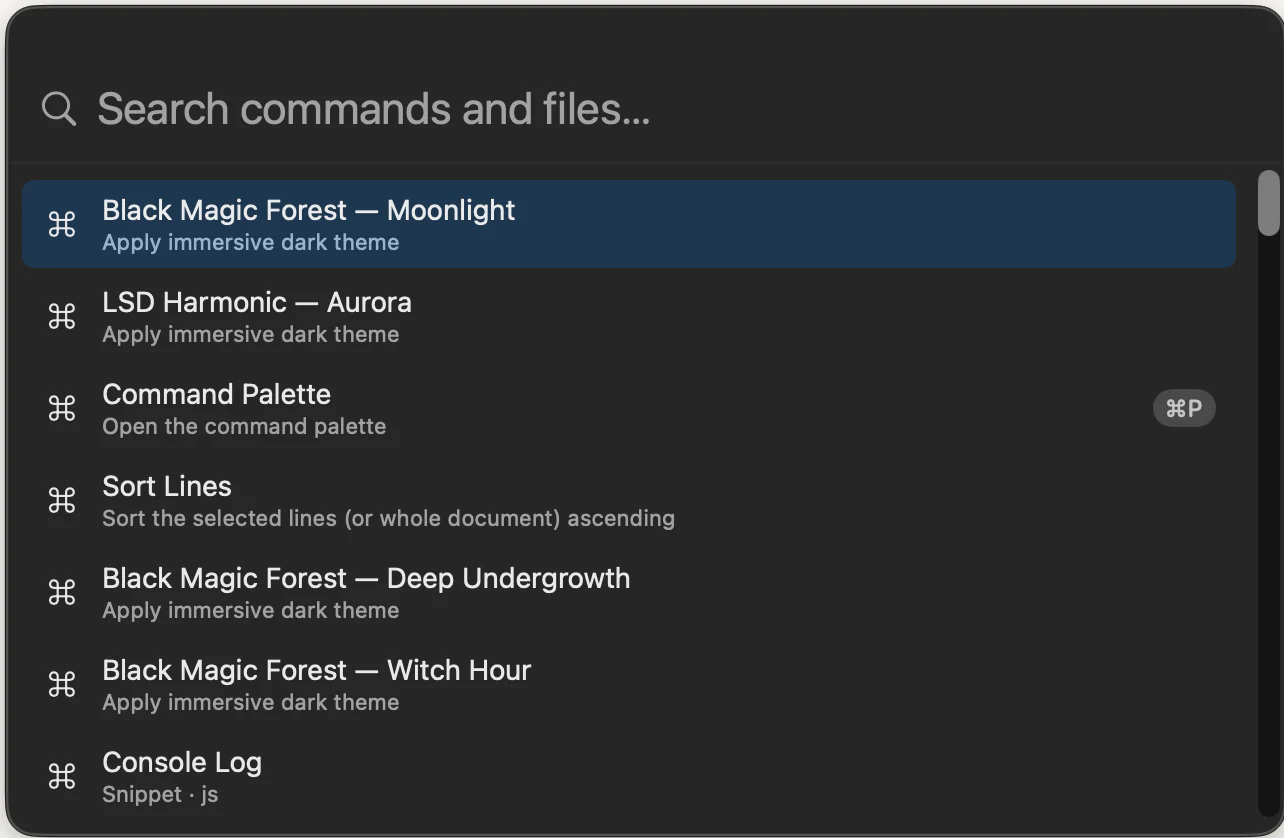
Every command, one keystroke away.
⌘ P reaches every command, every theme and every file in the folder, over whatever you happen to be reading.
The fastest picture browser you already have.
Open the folder and arrow down it. Every image is simply there, transparency drawn rather than guessed at, and the format read out for you.

Six point nine eight gigabytes.
Detected as a MariaDB dump, highlighted and mapped, with nothing installed — and the status bar telling you exactly what it cost.

We'd be glad if Nyxd Editor ended up as your fallback editor — the one you reach for when nothing else will open the thing. Every file, every container, every binary, at any size. And, we think, the fastest app in that category.
Captured on an Apple M2 from builds 2.5.46 and 2.5.53. The four frames above are whole windows, untouched. The close-ups are regions lifted from those same captures — magnified, never redrawn.